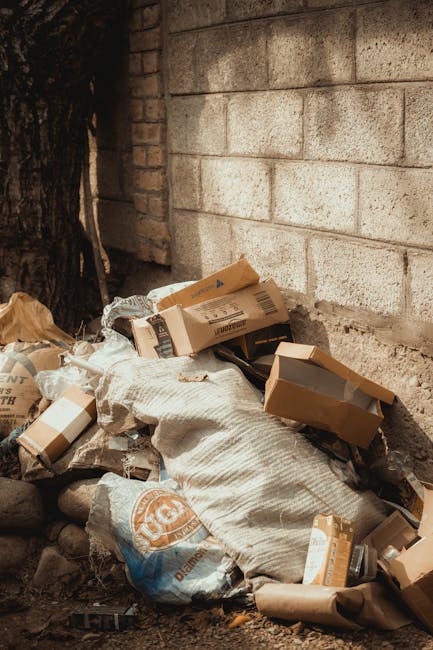
Turnham Green W4 rubbish clearance for Chiswick High Road
If you are dealing with piled-up bags, broken furniture, or renovation debris near Chiswick High Road, the last thing you want is a messy, drawn-out clear-out. Turnham Green W4 rubbish clearance for Chiswick High Road is really about making that job simple, tidy, and properly handled without turning your day upside down. Whether it is a flat above a shop, a small office, or a home that has just had a burst of spring sorting, a well-run clearance service gives you breathing room. And honestly, sometimes that breathing room is worth more than people expect.
This guide explains how rubbish clearance in the Turnham Green and Chiswick High Road area typically works, what to look for, where the pitfalls are, and how to choose the right approach for your situation. You will also find a practical checklist, a comparison table, and answers to common questions people ask before they book. If you just want to get on with it, that is fair enough too.
Why Turnham Green W4 rubbish clearance for Chiswick High Road Matters
Chiswick High Road is busy, visible, and full of movement. Shops get deliveries, flats get refurbished, offices turn over stock, and households keep doing what households do: collecting odds and ends until one day the cupboard, loft, or garage quietly rebels. In that setting, rubbish clearance is not just about making things look neat. It affects access, safety, reputation, and the general feel of a property.
For local residents and businesses, a clear space can make a surprising difference. A shopfront with old packaging or display waste stacked at the side looks neglected. A hallway blocked by discarded furniture makes a flat feel smaller and more stressful. A builder's pile of rubble or timber left too long becomes more than an eyesore. It can get in the way of staff, customers, neighbours, and the next job. That is why Turnham Green W4 rubbish clearance for Chiswick High Road matters more than a quick tidy-up on a Sunday afternoon.
There is also a practical side. If waste is not sorted or removed properly, it can attract complaints, cause trip hazards, and create extra work later. A well-planned clearance keeps the process moving. And to be fair, when you are on a tight schedule, moving waste once is much better than moving it three times.
For people comparing services, it helps to think beyond the obvious. Good rubbish clearance is not only about loading items into a vehicle. It is about timing, access, safe lifting, sorting recyclables, and knowing what should be handled separately. If you want a broader overview of disposal choices, the waste removal service page is a sensible place to start, while specialist jobs often need a more focused option such as furniture disposal or builders waste clearance.
How Turnham Green W4 rubbish clearance for Chiswick High Road Works
Most rubbish clearance jobs follow a simple pattern, even if the details change from one property to the next. The first step is normally a quick discussion of what needs removing, where it is located, and whether there are any access issues. A top-floor flat with no lift is a different job from a ground-floor office with parking nearby. That sounds obvious, but it matters a lot in real life.
Next comes the planning stage. This is where the team works out how much waste there is, whether the load contains general rubbish, bulky items, recyclable material, or specialist waste, and what vehicle or labour is needed. If the job includes old appliances, it may also need a separate approach; for example, fridge and appliance removal is often best handled carefully because of size, weight, and disposal rules. If the waste includes confidential paperwork, the safer route is confidential shredding.
On the day itself, the team usually arrives, confirms the load, and then clears the items from where they sit. Good services keep the property protected as they work, especially in narrow stairwells or shared entrances. You do not want scratches on walls or bits of debris left behind. Once the waste is loaded, it is taken for sorting, recycling, and lawful disposal where appropriate. The aim is not just to make waste disappear. The aim is to handle it properly.
For many local jobs, this is where convenience really shows. You do not need to organise multiple trips, hire equipment you may barely use, or stand in a doorway trying to work out whether that old sofa will fit around the corner. It is often a relief just to hand it over and see the space come back to life.
If you are still shaping the job, pricing information is usually worth checking early. The pricing and quotes page can help set expectations, and if you want to book without faffing around, there is a direct book online option too.
Key Benefits and Practical Advantages
People usually call for rubbish clearance because they need space back quickly. But there are several other advantages that make the service worthwhile.
- Less disruption: one scheduled clearance is easier than dragging the job out over several days.
- Safer movement through the property: fewer trip hazards and fewer awkward piles in hallways, stairwells, or rear yards.
- Better first impressions: important for shops, offices, landlords, and anyone receiving visitors.
- Smarter sorting: recyclable materials and reusable items can be separated more effectively.
- Less physical strain: bulky waste is no joke, especially if you are dealing with stairs or heavy items.
There is also a small but meaningful emotional benefit. A cleared space tends to lower the background noise in your head. You walk in, look around, and suddenly the room feels manageable again. Not glamorous. Just calmer. And sometimes calm is the whole point.
For households, this can mean getting a room back for living in rather than storing forgotten clutter. For businesses, it can mean restoring usable floor space or clearing stockroom overflow. For landlords and agents, it can reduce delays between one tenancy and the next. If the job is more domestic than commercial, services like house clearance, home clearance, or flat clearance may be a better fit than general waste removal alone.
Who This Is For and When It Makes Sense
This type of clearance is useful for a wider group of people than many first assume. It is not only for major renovations or dramatic clean-outs. Often it is for the ordinary, slightly messy situations that crop up in busy parts of London.
It makes sense if you are:
- moving out of a flat or preparing a property for new occupants
- clearing damaged or unwanted furniture from a shop, office, or home
- dealing with refurbishment waste from a small building project
- sorting a loft, garage, or storage area that has become more archive than room
- looking for a simple alternative to arranging your own trips to disposal sites
- managing waste from a business that cannot afford clutter around the entrance or back access
Sometimes the trigger is a deadline. A landlord wants the place ready tomorrow. A retailer needs the back area clear before new stock arrives. A family has only one free afternoon and needs the job done before the school run, dinner, and everything else. In those cases, the value lies in speed and organisation as much as in the actual lifting.
If you are dealing with mixed items, it is worth thinking about specialist categories early. For example, soft furnishings may be better handled through mattress and sofa disposal, while a pile of broken chairs, tables, and cabinets may fit naturally under furniture clearance. It sounds picky, but the right category usually makes the job smoother.
Step-by-Step Guidance
If you want the process to go smoothly, it helps to prepare a little before the team arrives. Nothing extreme. Just enough to avoid last-minute confusion.
- Walk the property first. Make a quick list of what needs to go. Include bulky items, loose bags, broken furniture, cardboard, and anything awkwardly placed.
- Separate obvious specialist waste. Put aside items such as appliances, sharp debris, or anything that may need extra handling.
- Check access. Note narrow stairs, parking limits, loading points, lifts, keypad entry, or times when access is easier.
- Estimate the volume honestly. A common mistake is underestimating how much waste there is. That almost always creates friction later.
- Ask about sorting expectations. If recyclable items, reusable furniture, or confidential materials are involved, make that clear early.
- Prepare the site. Move valuables, clear walkways, and keep pets or children out of the way. It sounds basic, but it saves hassle.
- Confirm the final plan. Before collection begins, make sure everyone agrees on what is going and what is staying. That little check prevents awkward surprises.
As a rule, the cleaner the handover, the faster the work tends to go. A bit of sorting at the front end usually saves time at the back end. Plain and simple.
If you are unsure what can be loaded together, the page on what can go in a skip is useful for understanding common waste categories, even if your job is being handled through a direct collection rather than a skip-based approach.
Expert Tips for Better Results
After handling plenty of local clearances, a few patterns stand out. The jobs that go smoothly are usually not the flashiest ones. They are the ones where the customer has thought through access, item types, and timing just enough to avoid avoidable snags.
Tip 1: Group similar items together. Put furniture in one area, bagged waste in another, and anything fragile or hazardous well away from the main load. This makes the collection faster and easier to check.
Tip 2: Be honest about awkward items. A wardrobe that only just fits in the hallway is not the same as a chair. Mention stairs, disassembly needs, heavy items, or tight corners. Better to say it up front.
Tip 3: Keep reusable items separate. If something is still in decent condition, do not bury it under general rubbish. Even when reuse is not guaranteed, keeping items separate helps with sorting.
Tip 4: Time it around your day. If the property is on or near a busy road, think about school traffic, delivery hours, or visitor peaks. A little timing awareness goes a long way.
Tip 5: Use the right service for the right load. Builders' rubble, office furniture, household clutter, and garden cuttings are not identical jobs. Matching the service to the waste type usually improves efficiency and value.
And one slightly obvious tip, though people still forget it: if there is something you definitely do not want removed, move it out of the room. Sounds silly. Works every time.
For more unusual items, specialist pages can help you judge the best fit. Garage clearance, loft clearance, and garden clearance each suit a different kind of load and can be a better match than a generic one-size-fits-all approach.
Common Mistakes to Avoid
Most rubbish clearance headaches come from the same handful of errors. They are easy to avoid, but only if you know they are there.
- Leaving sorting until the last minute. Mixed waste slows everything down.
- Guessing the volume too loosely. A "small amount" can turn into a full load once it is gathered together.
- Forgetting access restrictions. Parking, loading, and staircase issues matter more than people think.
- Mixing specialist waste with general rubbish. Appliances, sharp debris, or potentially hazardous items may need separate handling.
- Assuming all furniture is the same. Sofas, wardrobes, mattresses, and office desks often need different handling routes.
- Not checking the final scope. A clear agreement on what is included saves arguments and delays.
The biggest mistake, in my experience, is the one that creates the most frustration: starting with the assumption that everything can be dealt with in one casual sweep. Sometimes it can. Often it cannot. A minute spent checking details usually saves a lot of muttering later on.
Tools, Resources and Recommendations
You do not need a shed full of equipment to manage a rubbish clearance well. But a few basic tools and resources make a noticeable difference.
- Heavy-duty gloves: useful when sorting sharp or dusty items.
- Strong bags or boxes: good for loose rubbish, paperwork, and mixed small items.
- Tape and labels: handy for marking what stays and what goes.
- Basic measuring tape: useful for checking whether large furniture can be moved intact or needs dismantling.
- Phone photos: a quick set of pictures often makes quoting and planning easier.
For service selection, it helps to read the site pages that match the type of waste you have. If your job is office-based, start with office clearance or business waste removal. If it is mostly household clutter, house clearance and home clearance are more relevant. For bulky items only, furniture-specific pages often provide a better fit.
If you care about environmental handling, take a look at the site's recycling and sustainability information. A good clearance service should do more than tip everything into one pile. Reuse and recycling are part of the picture, even if not every item can be saved.
Law, Compliance, Standards, or Best Practice
Rubbish clearance in the UK sits within a practical framework of legal and environmental responsibility. You do not need to become a waste expert to arrange a collection, but it helps to know the basics. Waste should be handled safely, transferred appropriately, and disposed of through lawful routes. If hazardous or specialist items are involved, extra care is needed.
For businesses, the bar is usually higher. Duty of care expectations mean waste should be managed responsibly from the moment it is removed to the point it is passed on. In plain English: keep control of what leaves your premises, know where it is going, and work with a provider that treats the job properly.
Health and safety also matters. Heavy lifting, dust, sharp edges, glass, and awkward stairways are all everyday risks in clearance work. That is why it is sensible to check a provider's approach to safety and insurance. The pages on health and safety policy and insurance and safety are useful for understanding the standards a careful operator should follow.
There are also item-specific considerations. Electrical items, fridges, mattresses, sofas, and potentially harmful substances may need special treatment. If you are unsure, ask before collection rather than after. A quick question now is much better than a messy misunderstanding later. Truth be told, that one habit saves everybody time.
For companies handling records, confidential waste should be separated and destroyed through the right process. That is where confidential shredding becomes part of best practice rather than a nice extra.
Options, Methods, or Comparison Table
There is no single correct way to clear rubbish. The best method depends on volume, access, waste type, and how quickly you need the space back. Here is a simple comparison.
| Method | Best for | Strengths | Limitations |
|---|---|---|---|
| Direct rubbish clearance | Mixed household or business waste, bulky items, same-day tidy-ups | Fast, flexible, low fuss | May be less ideal for very small, predictable loads |
| Skip-based disposal | Projects where waste will be produced over time | Good for ongoing work, clear central storage | Needs space, permits may be relevant, waste must be sorted carefully |
| Specialist item removal | Appliances, sofas, mattresses, confidential material | More precise handling, better compliance | Requires correct item matching and planning |
| Full property clearance | Moves, probate, end-of-tenancy, major decluttering | Comprehensive, organised, efficient for large clear-outs | Usually more involved than a simple one-room collection |
If you are unsure which route suits your situation, start with the simplest question: is this a one-off load, or is it part of a bigger property change? That usually points you in the right direction. And if you still cannot decide, a quick look at what can go in a skip can help you compare typical waste types against the right approach.
Case Study or Real-World Example
Picture a small retail unit near Chiswick High Road at the end of a refit. There are broken display fittings, flattened cardboard, old shelving, and a few bulky items that have been pushed to one side of the back room for days. The shop owner needs the space cleared before new stock arrives on Thursday morning. Not dramatic, but urgent enough.
In a case like that, the sensible move is to group the waste by type before collection. Cardboard in one area, dismantled fixtures in another, and anything sharp or heavy made easy to see. The team arrives, checks access, loads the items, and clears the back room in one visit. The owner is left with a clean floor, room for deliveries, and no unpleasant surprise when the stock comes in.
Another common scenario is a flat above the parade that needs to be emptied after a long stretch of storing unused furniture. Maybe there is an old wardrobe, a mattress, and a couple of heavy chairs that have been moved from corner to corner for years. Once the removal is done, the space feels different. Lighter, somehow. You notice the echo in the room, the bit of afternoon light on the floorboards. Small thing, but it changes the mood.
That is the quiet value of a good clearance job. It is not just rubbish leaving. It is the room becoming usable again.
Practical Checklist
Use this before booking or on the morning of collection.
- Make a full list of what needs removing.
- Separate furniture, general rubbish, appliances, and specialist waste.
- Check whether anything needs disassembly.
- Confirm access, parking, and entrance details.
- Move valuables, fragile items, and anything staying behind.
- Keep confidential papers separate.
- Photograph the load if a quote or estimate will help.
- Ask about recycling or reuse for suitable items.
- Check whether the job needs a specialist service such as mattress and sofa disposal or fridge and appliance removal.
- Make sure you have a clear understanding of what is included.
That list is simple, but it prevents most avoidable problems. If you are already organised, great. If not, this is usually enough to get the job on track.
Get a free quote today and see how much you can save.
Conclusion
Turnham Green W4 rubbish clearance for Chiswick High Road works best when it is treated as a practical service, not a last-minute scramble. The more clearly you identify the waste, the better the access, and the more suitable the service choice, the smoother the result. That applies whether you are clearing a home, a flat, an office, or a shop unit with a back room full of forgotten bits and pieces.
If you want a smarter clearance experience, focus on three things: know what needs removing, choose the right type of service, and prepare the site just enough to make the collection easy. That is usually where the real time savings come from. Not glamour. Just good organisation.
And when the space is finally clear, take a minute to enjoy it. The room will feel different. Quieter, brighter, more usable. Funny how a cleared floor can make the whole place feel a bit more yours again.
Frequently Asked Questions
What counts as rubbish clearance for Chiswick High Road properties?
It usually means removing unwanted household, commercial, or bulky waste from a property near Chiswick High Road and taking it away for sorting and disposal. That can include mixed rubbish, furniture, packaging, refurbishment waste, and other non-hazardous items.
Is Turnham Green W4 rubbish clearance suitable for flats above shops?
Yes, often it is. Flats above commercial units are common in this part of London, and a well-planned clearance can handle stair access, tight hallways, and limited parking. The key is to explain the access details before the visit.
How do I know whether I need furniture clearance or general waste removal?
If most of the load is bulky items like sofas, chairs, beds, or wardrobes, furniture clearance is usually the better fit. If the waste is mixed, broken, bagged, and varied, general waste removal may make more sense.
Can appliance and fridge items be taken with other rubbish?
Sometimes, but not always in the same way as standard waste. Items such as fridges and appliances often need careful handling because of their size, weight, and disposal requirements. It is better to flag them in advance.
What should I do before a rubbish clearance appointment?
Separate the items to be removed, clear access routes, move valuables, and make note of anything that needs special handling. A quick walkthrough before the team arrives is usually enough.
Do I need to sort recyclable items before the clearance?
It helps if you can, but it is not always essential. Some services can sort items during collection. That said, keeping cardboard, metal, and reusable furniture separate often makes the job smoother and more efficient.
Is office waste different from household waste?
Yes, often it is. Office waste may include desks, chairs, filing materials, screens, boxes, and confidential documents. In many cases, office clearance or business waste removal is a better match than a household-focused service.
What happens to the waste after it is collected?
It is typically taken away for sorting, with suitable items separated for recycling or reuse and the remainder sent through lawful disposal routes. Responsible handling matters, especially for businesses and larger loads.
How far in advance should I book?
That depends on urgency and schedule, but sooner is usually better if you have a deadline or need a specific time slot. For straightforward jobs, flexible booking may still be available, which is handy when you are trying to fit everything around work or family life.
What if I have hazardous or unusual waste?
Do not guess. Hazardous or unusual materials need specific handling and may not be suitable for standard rubbish clearance. Use the relevant specialist guidance, such as hazardous waste disposal, and explain the items clearly before booking.
Can I use rubbish clearance for a house move or end-of-tenancy clean-out?
Absolutely. Many people use it at the end of a tenancy, after a move, or before letting a property. In those cases, house clearance or flat clearance may be the most useful route.
How do I make sure the service is trustworthy?
Look for clear policies around safety, insurance, payment, and disposal standards. The pages on insurance and safety, health and safety policy, and payment and security are useful signs of a provider that takes the job seriously.
What is the easiest way to start?
Start by listing the waste you need removed, then check the relevant service page and make an enquiry or booking. If you want a quick next step, the contact page and online booking page are the simplest ways to move forward.
Is rubbish clearance environmentally responsible?
It can be, if the provider sorts waste properly and prioritises recycling and reuse where possible. The best approach is not just quick removal, but sensible handling of materials so the job leaves as little unnecessary waste behind as possible.