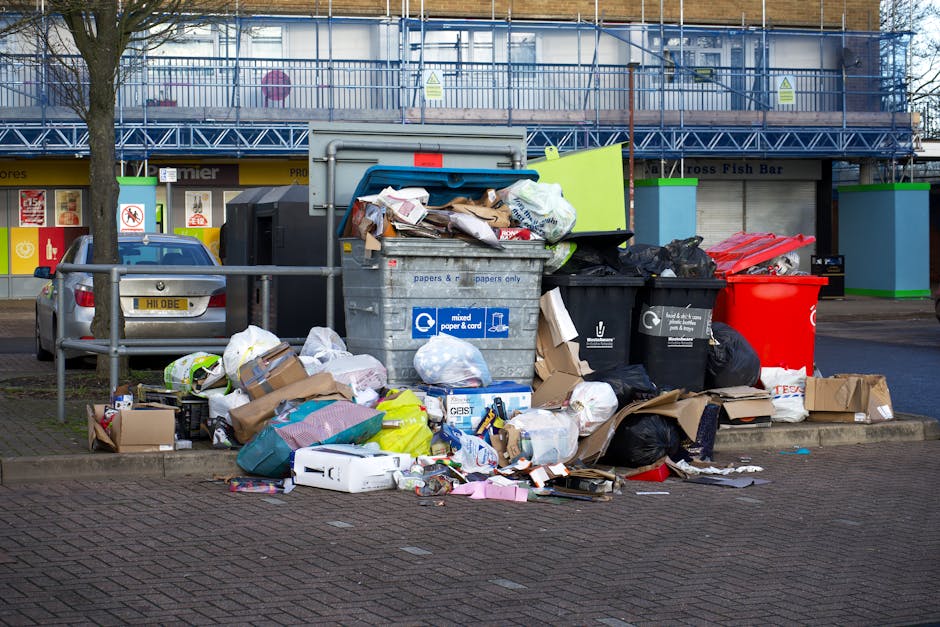
Small business rubbish removal on Turnham Green Lane
If you run a shop, studio, cafe, office, salon, or small workshop on Turnham Green Lane, rubbish has a way of building up faster than you expect. One day it is a few cardboard boxes and a broken chair; the next it is old stock, packaging, a printer that has given up, and a back corner that is starting to look a bit tired. Small business rubbish removal on Turnham Green Lane is the practical fix: a tidy, reliable way to clear waste without losing a whole morning to trips, lifting, or awkward disposal decisions.
This guide explains how the service works, what it is best for, the benefits for local businesses, and the common mistakes that cause trouble later on. You will also find a checklist, a comparison table, and a few real-world examples so you can decide what makes sense for your own place. Let's face it, nobody opens a business hoping to become an expert in waste handling.
Table of Contents
- Why Small business rubbish removal on Turnham Green Lane Matters
- How Small business rubbish removal on Turnham Green Lane Works
- Key Benefits and Practical Advantages
- Who This Is For and When It Makes Sense
- Step-by-Step Guidance
- Expert Tips for Better Results
- Common Mistakes to Avoid
- Tools, Resources and Recommendations
- Law, Compliance, Standards, or Best Practice
- Options, Methods, or Comparison Table
- Case Study or Real-World Example
- Practical Checklist
- Conclusion
- Frequently Asked Questions
Why Small business rubbish removal on Turnham Green Lane Matters
For a small business, waste is not just a housekeeping issue. It affects customer experience, staff safety, storage space, and the general feel of your premises. A cluttered entrance or overfilled back room can make even a smart business look rushed and under control in the wrong way. On a busy London street, that matters more than most owners admit.
Small business rubbish removal on Turnham Green Lane matters because local businesses often work with limited space, limited time, and a constant stream of changing waste streams. Think packaging from deliveries, broken fixtures, office furniture, old display items, or stock that cannot be sold. If it sits around, it steals space you could use for trading, prep, or simple breathing room.
There is also a trust angle. Customers notice bins spilling over. Staff notice when a back office becomes hard to move through. And if you are managing a leasehold unit or shared access, waste can become a small annoyance that keeps turning up, rather like that one damp umbrella nobody claims.
In practical terms, reliable removal helps small businesses stay organised, reduce trip hazards, and keep waste moving rather than stockpiling. That is especially useful for businesses that do not produce enough waste to justify a full skip, but do produce enough rubbish to make ad hoc disposal a pain.
For businesses that also need regular waste handling, it can be helpful to look at business waste removal alongside one-off clearances, so your routine waste and bulky items are handled in a joined-up way.
How Small business rubbish removal on Turnham Green Lane Works
The process is usually simpler than people expect. You describe what needs clearing, share rough quantities, and arrange a collection time that suits your trading hours. In many cases, the team will load the waste for you, which saves a lot of lifting and makes the whole thing far less disruptive.
Most small business rubbish removal jobs fall into one of three patterns:
- Spot clearances after refits, stock changes, or seasonal resets.
- Bulky item removal for furniture, shelving, and office equipment.
- Mixed waste pickups for general clutter, packaging, and broken items that are no longer useful.
You will usually be asked to separate anything hazardous or specialist before collection. That is not being fussy. It is about safety, lawful handling, and making sure the right disposal route is used. Items such as fridges, appliances, confidential papers, or materials that may require special treatment should be flagged early.
A good service will also talk you through access. On Turnham Green Lane, access can be straightforward for some units and awkward for others, especially where parking, narrow entrances, or shared loading areas are involved. Mention stairs, basement access, tight courtyards, or time restrictions before the team arrives. It saves everyone a headache.
If your rubbish includes office items or paper records, you may also want to consider confidential shredding so sensitive material is dealt with properly instead of being tipped into general waste. That little detail can make a big difference.
Key Benefits and Practical Advantages
There is a reason small businesses use professional waste clearance instead of trying to handle everything themselves. The benefits are mostly about time, safety, and simplicity, but there are a few less obvious gains too.
1. Less disruption to trading
Instead of sending staff out with boxes, bins, and borrowed vans, you can keep people focused on customers, admin, or the work they are actually paid to do.
2. Better use of space
In small premises, a single unused desk or pile of old stock can clog a whole area. Clear it properly and suddenly the place feels lighter. You notice it the moment you walk in.
3. Safer working conditions
Loose waste, unstable stacks, and heavy items are a real trip and strain risk. Professional removal reduces the chance of someone pulling their back on a Friday afternoon when everyone is already keen to clock off.
4. More consistent presentation
A clean back area often leads to a cleaner front-of-house attitude too. It sounds minor, but people do notice order.
5. Flexible handling of mixed items
Many small businesses do not have one neat waste stream. They have a bit of everything. Clearance services are useful because they can handle mixed loads where a bin contract alone would not be enough.
For anything involving old desks, chairs, or reception furniture, you may find office clearance a useful companion service. If the item is furniture rather than general rubbish, furniture disposal can help you keep the process clean and targeted.
Who This Is For and When It Makes Sense
This type of service is ideal for businesses that generate waste in irregular bursts or small-to-medium loads that are too much for standard bins but not enough to justify a full-size skip. That is the sweet spot, really.
Common examples include:
- Retail shops clearing out old display stock, packaging, and broken fixtures.
- Offices replacing desks, chairs, filing cabinets, or printers.
- Hospitality venues disposing of damaged furniture, kitchen items, or back-of-house clutter.
- Beauty and wellness businesses removing old treatment furniture or product packaging.
- Small workshops or studios with materials, offcuts, or worn equipment.
- Landlords and leaseholders clearing left-behind business waste after a move.
It also makes sense when you are preparing for a rebrand, refit, inspection, or an important trading period. A lot of owners wait until the clutter becomes visible to customers. By then, the job feels bigger than it is. Better to deal with it earlier, while it is still a clean-up rather than a rescue mission.
If your business sits in a mixed-use property or above another unit, flat clearance may also be relevant for adjoining living areas, staff accommodation, or mixed occupation spaces. That is one of those details people forget until they are standing in the hallway wondering where all the chairs came from.
Step-by-Step Guidance
Here is a straightforward way to approach small business rubbish removal on Turnham Green Lane without overcomplicating it.
- Identify the waste
Walk through the premises and sort items into clear categories: general rubbish, furniture, electricals, paper, metal, and anything hazardous or confidential. - Estimate the volume
Think in terms of bags, boxes, desks, or how much floor space the waste takes up. A rough visual estimate is usually enough to begin with. - Check access
Note stairs, loading bays, narrow doorways, parking restrictions, or anything that might affect collection. A quick honest note now saves awkwardness later. - Choose the right service type
General waste, office clearance, furniture disposal, or specialist removal all solve slightly different problems. Picking the right one keeps costs and effort under control. - Separate specialist items
Keep hazardous materials, appliances, and confidential documents aside unless you have confirmed they can be handled in the same visit. - Book a suitable time
Choose a collection window that suits staff, customers, and neighbours. Early morning or quieter trading periods often work best. - Prepare the waste
Make sure items are reachable and, where possible, grouped together. Do not block fire exits or work routes while waiting for collection. - Confirm disposal details
Ask how waste is sorted, reused, recycled, or disposed of. That is not being awkward; it is sensible due diligence.
For bulky household-style items found in business premises, such as sofas or guest seating, mattress and sofa disposal may be more relevant than a general waste collection. Likewise, if you are dealing with a damaged fridge, the specialist fridge and appliance removal page is worth reviewing.
Expert Tips for Better Results
After enough clearances, a few patterns become obvious. The smoothest jobs are rarely the fanciest ones. They are the jobs where the business owner has been clear, tidy, and realistic from the start.
Keep a running waste log. Even a simple note on your phone about what tends to build up helps you plan future clearances. If cardboard dominates every month, for example, that tells you something about packaging flow and storage.
Group by item type before collection. It sounds basic, but mixed piles slow everything down. A little sorting by furniture, cardboard, electricals, and general waste makes the job faster and cleaner.
Think about timing around deliveries. If you are expecting stock, do not book a collection that will have boxes everywhere while a van is trying to turn up. Small timing clashes are the sort that create unnecessary stress.
Flag any awkward items early. A heavy cabinet, a locked shred cabinet, or a bulky appliance can change the whole removal plan. Mention it in advance and you avoid last-minute improvising.
Use disposal as a reset. A clearance is often the best moment to rethink storage, keep only what is needed, and simplify the back room. It is a bit like cleaning a kitchen drawer and finding three pens, two screwdrivers, and a receipt from ages ago. The clutter tells a story.
If sustainability is important to your business, you may also want to review the site's recycling and sustainability approach so you understand how reusable and recyclable items are handled. That can be an important part of your own business standards too.
Common Mistakes to Avoid
Most clearance problems are avoidable. They usually come down to poor planning or assumptions that turn out not to be true.
- Leaving waste until it becomes urgent. Emergency clearances are harder to schedule and usually more stressful.
- Guessing the amount too loosely. "It's only a bit" can become "actually, it's a lot" once everything is gathered together.
- Mixing normal waste with specialist items. This can slow collection and create compliance issues.
- Blocking access paths. This makes loading unsafe and can cause avoidable delays.
- Forgetting about data-bearing items. Old paperwork, storage drives, and office files need proper thought.
- Assuming every item can go the same way. Electricals, furniture, and general rubbish are not always handled identically.
There is another one that sounds small but matters: forgetting to tell the team about narrow access, stairs, or parking limits. On a street like Turnham Green Lane, that can make all the difference between a calm collection and a slightly chaotic one. And nobody wants the chaotic one.
Tools, Resources and Recommendations
You do not need specialist kit for most small business clearances, but a few simple tools can make preparation easier.
- Stacking crates or boxes for papers, small items, and loose stock.
- Marker labels so staff can tag what is staying, what is going, and what needs review.
- Basic gloves and trolleys for safe internal movement of light items.
- A waste inventory list for keeping track of repeat clearances.
- Padlocks or sealed bins for sensitive material until shredding is arranged.
For businesses that deal with homeware, display stock, or customer-facing furniture, the related services for furniture clearance and furniture disposal can help you match the service to the type of item instead of using a one-size-fits-all approach.
When office units are involved, it can also help to review your own internal policies for retention, storage, and clear-out cycles. A bit of structure goes a long way. Honestly, one clean-out calendar can save you a dozen "we'll deal with it next week" moments.
Law, Compliance, Standards, or Best Practice
Any business waste arrangement should be handled carefully. In the UK, businesses are generally expected to make sure their waste is stored, transferred, and disposed of responsibly, and to use a route that suits the type of waste involved. That includes being cautious with items that may contain confidential data, chemicals, or components that need specialist handling.
Good practice usually means:
- separating hazardous and non-hazardous waste;
- keeping clear records of what has been removed;
- using appropriate handling for electrical items and appliances;
- making sure staff do not manually move items that are too heavy or awkward;
- checking that your service provider has sensible safety and insurance arrangements in place.
It is also smart to review supplier terms and operational details before booking. The pages on terms and conditions, insurance and safety, and health and safety policy give a useful picture of how a professional service should operate. That is the kind of thing you only need once, but it is worth checking properly.
For waste streams that are more sensitive, such as documents or specialist materials, you should always ask for a clear explanation of the handling route. If the answer is vague, that is your cue to slow down and ask more questions. Better to be mildly annoying now than regretful later.
Options, Methods, or Comparison Table
There are a few ways a small business can handle rubbish removal. The best option depends on volume, item type, access, and how quickly you need the space back.
| Method | Best for | Strengths | Limitations |
|---|---|---|---|
| Professional rubbish removal | Mixed waste, bulky items, quick clearances | Fast, labour included, flexible for tight spaces | Needs a scheduled visit |
| Skip hire | Large ongoing volumes or refurbishment waste | Good for major jobs and repeated loading | Requires space and may not suit busy frontages |
| In-house disposal | Very small volumes and routine bin waste | Simple for low amounts | Staff time, transport, and lifting risks add up |
| Specialist item removal | Appliances, sofas, confidential items, specific waste streams | Better handling for tricky items | May need separate booking |
If you are unsure whether a skip or collection is the better fit, the guidance on what can go in a skip is a useful reference point. It is not about choosing one over the other every time; it is about picking the method that fits the job without making life harder than it needs to be.
Case Study or Real-World Example
Here is a realistic example. A small design studio on Turnham Green Lane decides to refresh its space before a client-heavy period. Over the years, the office has collected old sample boards, cracked chairs, packing materials, unused shelving, and a printer that now only works when it feels like it. The back room is full enough that people are squeezing sideways to get through.
The owner walks the space in the morning, tags what is leaving, and separates a few files for confidential shredding. The team gathers the main items in one area near the entrance, but keeps the exit route clear. A collection is booked for a quieter window later in the day, and the whole job is finished in one visit.
The result is not dramatic in a cinematic sense. Nobody claps. But the room feels calmer, staff move more easily, and the studio can show clients a cleaner, more confident space. That is the real value. Small business waste removal often works best when it creates ordinary-looking relief, not spectacle.
In another case, a cafe replacing worn seating might use a mix of furniture removal and appliance handling for a broken undercounter unit. That kind of job is usually much smoother when items are identified early rather than all being dumped in one awkward pile on the day.
Practical Checklist
Use this checklist before booking small business rubbish removal on Turnham Green Lane. It keeps the process tidy and avoids those annoying last-minute surprises.
- Identify all items that need removing.
- Separate general waste from furniture, appliances, paper, and specialist items.
- Check for confidential materials and set them aside for shredding.
- Measure or estimate the quantity in a rough, practical way.
- Confirm access, stairs, parking, and opening hours.
- Decide whether office clearance, furniture disposal, or general waste removal is the best fit.
- Keep walkways and fire exits clear.
- Label items that must not be removed.
- Ask how waste will be handled, recycled, or disposed of.
- Review any site terms, safety notes, or payment details before booking.
If your business is dealing with a broader premises reset, waste removal can be a useful umbrella service, while pricing and quotes can help you plan the commercial side without guesswork.
Get a free quote today and see how much you can save.
Conclusion
Small business rubbish removal on Turnham Green Lane is really about keeping your business easy to run. It clears space, protects staff, improves presentation, and stops waste from becoming one more thing competing for your attention. That is a simple benefit, but it is a meaningful one.
The best results usually come from a bit of planning, honest communication, and choosing the right service for the type of waste you actually have. Once that part is sorted, the whole process becomes much less of a chore. You deal with the mess, regain the space, and move on. Nice and steady.
And if you are at the stage where the clutter is beginning to grate every time you walk past it, that is probably your sign. Clear the space. Make it easier for everyone. Then get back to the work that matters.
Frequently Asked Questions
What is small business rubbish removal on Turnham Green Lane?
It is a service for clearing unwanted waste, bulky items, and mixed rubbish from small commercial premises in the Turnham Green Lane area. It is designed for businesses that need more than bin collection but less than a major strip-out.
Is this suitable for offices and shops?
Yes. It is especially useful for offices, retail units, salons, cafes, studios, and small workshops that need a fast, tidy clearance without interrupting trading for too long.
Can furniture be removed as part of the service?
Usually, yes. Desks, chairs, shelving, display units, and similar items are often handled through furniture removal or office clearance, depending on what you need to clear.
What should I do with confidential papers before collection?
Separate them in advance and arrange confidential shredding if needed. Do not mix sensitive documents into general rubbish unless you are sure they are being handled appropriately.
Do I need to sort the waste myself?
A little sorting helps, especially for special items, but the aim is not to make you do all the labour. At minimum, it helps to group items by type and flag anything unusual.
Can appliances like fridges or printers be collected?
Often yes, but appliances and electricals may need a specific removal route. It is best to mention them early so the right handling is arranged.
How do I know whether I need a skip or rubbish removal?
If you have lots of loose waste and space to leave a container, skip hire may suit you. If you want the waste loaded and removed quickly, professional rubbish removal is usually easier. The exact choice depends on access, amount, and item type.
Is this service useful after a refit or office move?
Very much so. Refits and moves often create a mix of packaging, old fittings, broken furniture, and items that do not fit neatly into normal bins. A removal service is a practical way to reset the space.
What access details should I tell the team about?
Mention stairs, narrow doorways, loading restrictions, parking limits, shared entrances, and any timing rules. Small details like that make the job smoother and safer.
Can this help if I only have a small amount of rubbish?
Yes, though it depends on the minimum collection size and the nature of the waste. For some small amounts, a simpler disposal option may be enough. For bulky or awkward items, professional removal can still be worthwhile.
Is recycling usually included?
Many services aim to separate recyclable and reusable materials where possible. If sustainability matters to your business, it is worth asking how that process works before you book.
What is the biggest mistake small businesses make with waste clearance?
Leaving it too late. Once waste gets in the way of trading or access, the job becomes more disruptive and harder to plan. A little preparation really does save a lot of hassle.